
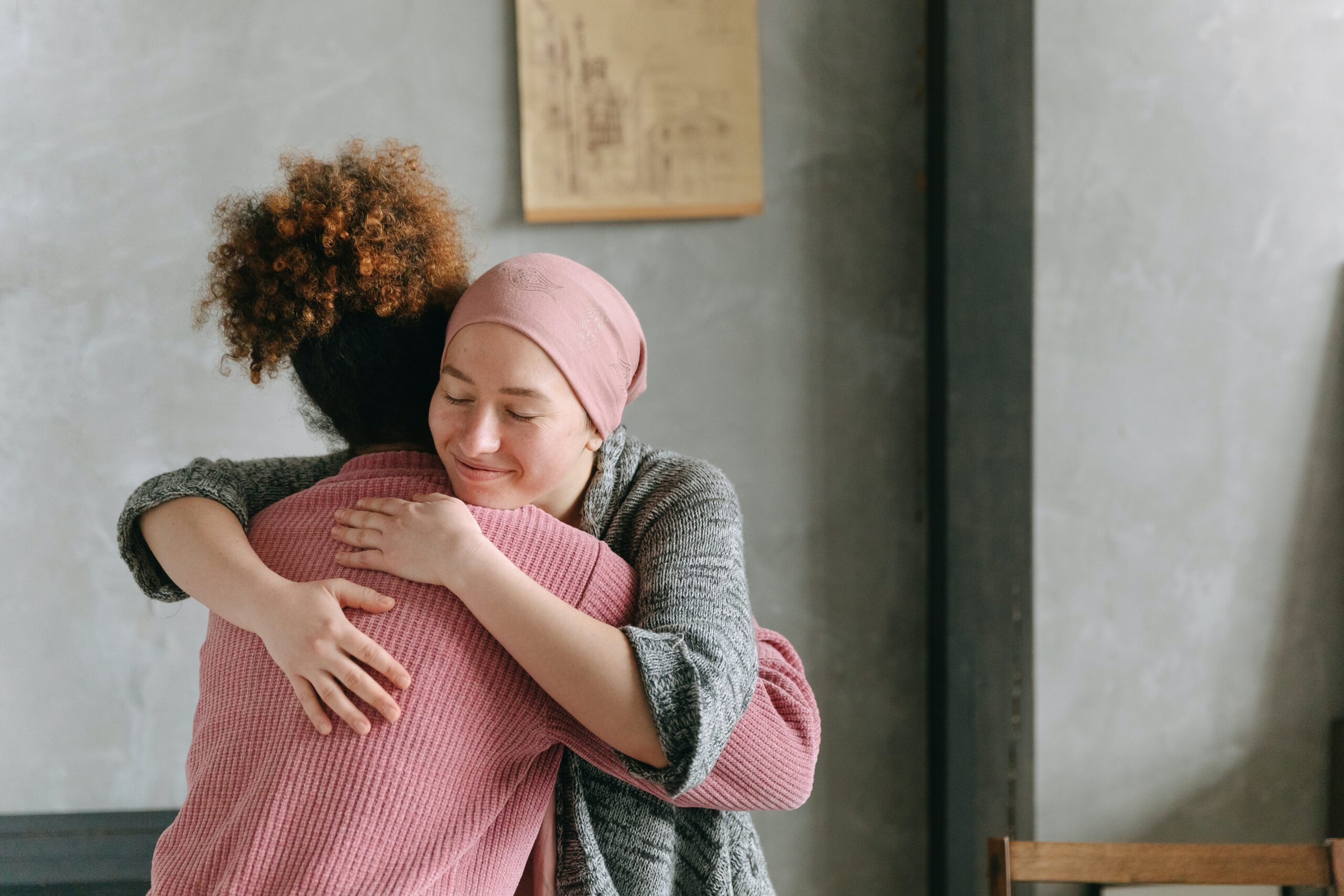
When you or someone you love is facing the end of life, specialized and compassionate care is essential. Especially in the modern world, which tends to shy away from conversations about death, enormous relief can come from finding the right support.
Thankfully, you have options. Healthcare providers, chaplains, hospice workers, death doulas, and more professionals can all offer assistance toward the end of life, although their roles vary.
This article will give you insight into the work of death doulas – and help you identify whether working with one is the best choice for you and your family at this time.
As a death doula, I am devoted to caring for you as you navigate the tender transition between life and death. My philosophy is simple: death and dying don’t have to be scary or painful; dignity, respect, care, and comfort are available. Reach out to me to explore how my end of life services can support you and those you love.
What Is a Death Doula’s Role and Significance?
“Death doula” and “end of life doula” are becoming more well-known terms in recent years. But what is a death doula, really?
Essentially, death doulas are trained professionals who offer emotional, practical, and spiritual support to people who are dying and their loved ones.
Depending on your unique needs, preferences, and situation – and your death doula’s background – this support can look a variety of ways. It is always a relationship rooted in compassion and dignity.
The History and Evolution of Death Doulas
Though it may seem new, the role of death doula has deep and ancient roots.
It is thought that end-of-life practitioners – those shepherding people from life to death – were a normal part of life across ancient cultures. Death was widely considered a natural facet of life, and dying people received care through communal rituals, personalized support, and the routine presence of their communities.[1]
Originating from a Greek word meaning “a woman of service,” “woman’s servant,” or “one who helps,” “doula” is now used to indicate someone who provides assistance during transitional moments in life: birth and death.[2]
Death doula became an official and growing profession in the late 1990s and early 2000s.[3] Deanna Cochran, a former hospice nurse, and Stephen Jenkinson, an end-of-life educator and psychologist, helped to popularize this role. Now, dozens of training programs exist for the emerging community of professional death doulas.[4]
The Key Difference Between Death Doulas and Hospice Care
Death doulas – in their current iteration – provide emotional, spiritual, and practical aid. Unlike hospice workers, nurses, doctors, and other healthcare providers, their role is non-medical.
Chaplains provide primarily spiritual support, often in affiliation with a religious tradition, hospital, or academic institution. Death doulas tend to work independently, practicing diverse philosophies and approaches to end-of-life care.
Often, a death doula can help you connect with medical professionals and design a comprehensive care plan, working in collaboration with hospice teams and acting as an advocate to ensure that all of your needs are covered.
What Can a Death Doula Do?
Besides medical assistance, many other forms of support are needed when you or a loved one is preparing for the end of life. Families can find themselves unprepared and surprised at just how much there is to do in the precious years, months, or weeks ahead of them.
Offer Emotional, Spiritual, & Practical Support
A death doula can help relieve this burden by helping you with a variety of tasks, including:
- Emotional Support: Facing the end of life, whether for ourselves or a loved one, can be emotionally overwhelming. Death doulas provide a caring and non-judgmental presence, offering a safe space for individuals and families to express their fears, hopes, and wishes. Their empathetic support helps ease anxiety and fosters emotional healing.
- Navigating the Healthcare System: The medical system can be complex and overwhelming, especially during critical moments. Death doulas act as advocates and can help you make decisions that are right for you.
- Continuity of Care: Death doulas can often collaborate with healthcare professionals and hospice teams, ensuring seamless communication and consistent support throughout the end-of-life journey. This collaboration promotes a holistic and person-centered approach to care.
- Companionship and Presence: Often, individuals facing end-of-life feel isolated and afraid. Death doulas offer genuine companionship, spending quality time and holding space for meaningful conversations, memories, and reflections. They may also offer comforting touch or even massage therapy, depending on their background and training.
- Creating a Personalized Plan: Each person’s end-of-life journey is unique, and a death doula helps create a personalized care plan tailored to the individual’s needs and desires. They facilitate open conversations about healthcare choices, legacy wishes, and spiritual beliefs, ensuring a dignified and meaningful experience.
- Finding Resources and Support: Death doulas can help you to find resources and support in your community.
Are you and your family feeling lost or confused when it comes to one or more of these categories? An attentive death doula can hold your hand as you navigate anything on this list – and help you respond lovingly to anything else that comes up unexpectedly.[5]
Provide Advocacy in Medical Settings
Though death doulas do not provide medical care (like administering medications, monitoring vital signs, using medical equipment), their support can help you experience all of this with more grace and a holistic approach.
In their role as advocates, death doulas can guide families through healthcare decisions, explain medical terminology, and ensure that everyone understands the available options. They empower you to make decisions that are right for you, based on your personal values and the regulations of your state and medical facility.
You and those closest to you might be feeling more emotional than ever. A death doula can help you see the decisions in front of you with clearer eyes and an open heart – and stay with you long enough for clarity to come, providing invaluable presence in medical and domestic settings.
Reduce Overwhelm, Fear, and Confusion
Often, family members and individuals try to take on the healthcare system, end-of-life planning, and the need for consistent presence and emotional support. It’s okay if it all feels like too much. Finding the right support from a death doula will alleviate some of the work that can distract us from facing death whole-heartedly, while helping you and those you love prepare in every way for the end.
Thanks to my extensive experience supporting individuals and families through the end of life as a death doula, I am here for you. To learn more about the many ways I can provide emotional and practical support during sensitive moments in life, get in touch with me.

Is It Time to Receive Care From a Death Doula?
Most folks assume that a death doula only steps in when someone is in their final days or weeks of life. Though death doulas can provide support during this tender time, their role extends far beyond it.
Even if you are not currently experiencing your death or the loss of someone close to you, a death doula can still help. Some people just want to have a casual conversation about death, even before it shows up in their life.
You (or someone you know) may benefit from receiving a death doula’s care in various situations.
When You’re Facing Death
Of course, death doulas do work with you when death feels more immediate.
Have you been diagnosed with a terminal illness or suffered a serious injury? Are you in hospice or seeking palliative options?
Conversations with a death doula can help you face the reality of what you’re experiencing. When you share your emotions and thoughts in an open setting with someone who cares for you, you invite emotional healing, change, and resolution into your experience.
Together, you can explore what’s been important to you, what you would want to be remembered for, and what you still hope to say, do, or feel.
In addition to emotional support and companionship, death doulas can help you sort out lingering practical concerns, such as end-of-life planning. They can also advocate for you in medical settings to make sure that your questions are answered and you receive the comfort and dignity you deserve.
When Your Loved One Is Facing Death
If someone you love is dying, you may feel helpless or unsure how to support them. A death doula offers steady, compassionate guidance as you face difficult decisions and make the most of the end. They can provide answers to your questions and doubts about what lies ahead for you and your loved one.
After your loved one has passed, a death doula can help care for you while you and your family grieve. They can be an ongoing source of support as you make meaning from what you’ve experienced and eventually find solace. Especially if your death doula has developed a relationship with you (or your loved one), what comes after death can be full of consolation.
When Your Community Could Use Care
As the profession has developed and spread in recent years, death doulas have been more frequently attending to communities and groups of people – not just individuals and families. Death doulas can provide reassurance and wisdom as your community navigates death and its inevitability.
Would your town benefit from a speaking event about end of life care options? Would your neighborhood association or private community grow closer by learning about how to care for those who are dying?
When it comes to a death doula’s potential influence and supportive presence, the options are truly endless. Ask your death doula if they can step into community settings to spread their message and be of even greater service.
(The rise of death cafes shows how more and more people are becoming curious about death and looking for spaces to discuss it. Perhaps you’ll want to set up an event with a similar structure somewhere near you with the help of a death doula.)
What to Consider When Choosing a Death Doula
If you decide it’s time to start working with a death doula, you’ll benefit from finding one who meets the needs of your unique situation and preferences.
Spiritual, Cultural, & Personal Sensitivity
Would you like to work with a death doula who is not religious? Or perhaps one who is spiritual but not affiliated with any particular religion? Consider which aspects of your personal philosophy you’d prefer to see mirrored in your death doula, and choose accordingly.
Naturally, it is important that your death doula practices sensitivity to your situation. Some death doulas specialize in working with folks from specific backgrounds – such as those offering end of life care for the LGBTQ community.
Training and Background
Though all death doulas (regardless of specialty) share common principles and motivations, this industry is not regulated. Therefore, there is no particular course of study or one credential that all death doulas have to achieve before doing their work in the world.[6]
Practice discernment when choosing a death doula for yourself or someone you love. You can ask how their background and training prepare them to offer the support you’re looking for.
In Person vs. Online Care
These days, some death doulas operate remotely, using Zoom or other video platforms for calls. Some offer in-person support, only serving the areas and people local to them. Others use a combination of online and in-person services to take care of their clients.
Think about what might be most helpful for you and your family at this time. Maybe the flexibility of online communication would serve your needs; maybe you’re really wishing for someone to hold your hand and be at your side during challenging moments.
All needs are valid. Be sure to select a death doula who meets yours, and be open about your situation when you first speak to them so they can help you make a choice in alignment with your situation.
Most importantly, keep these questions in mind when you connect with a potential death doula: Does this person care about me and my family? Are they compassionate through and through? Do they model an attitude about death that helps me?
The death doula who is ideally suited to help you will be a resounding “yes” on all fronts.

For Death Doula Services: Connect With Peaceful End of Life
I’m Melissa of Peaceful End of Life. As a death doula, I’m convinced that this profession – with its ancient roots and growing modern significance – has the potential to help our world in ways that are both huge and deeply intimate.
Above all, I’m dedicated to the well-being of you, your family, and your community while we all face death as an inevitable and natural part of life. I specialize in spiritual end of life care, bringing a holistic and grounded perspective to each of my clients. My work is a safe space for people of all characteristics, backgrounds, and needs.
“Melissa was such an immense help during the last few months of my wife’s Alzheimer’s diagnosis. She was able to stay with my wife when I had to run errands and she had a great way of keeping my wife calm when she would become agitated. I’m so glad that she was there… She helped prepare me for my wife’s death with a very calm presence. If you have a loved one who is terminal, I can’t recommend her services enough. She has a very calm and patient presence. She’s able to bring a soothing energy to an otherwise chaotic situation and was able to help both of us. I highly recommend her.”
– G.C., San Antonio, Texas
I’ve been around death a lot in my life. I’ve watched my friends, parents, and some of my naturopathic clients (during my long career in naturopathic medicine) die. I’ve also suffered from a few health conditions and overcame stage III cervical cancer in my early 20s.
Over the years, I’ve learned to accept death. It’s now my mission to help others do the same – with undying peace, grace, compassion, and care.
I offer virtual end of life services, as well as occasional in-person support to those in Sherman and Denison, Texas. Are you or those you love facing death? I would love to talk to you and see how I can support you at this time.

[1] https://www.healingheartshouse.com/index.php/mikey-the-death-doula/history-of-death-doulas
[2] https://www.globaldoulaproject.org/all-journals/the-history-of-death-doulas
[3] https://generations.asaging.org/end-life-doula
[4] https://www.healingheartshouse.com/index.php/mikey-the-death-doula/history-of-death-doulas
[5] https://www.caringinfo.org/blog/what-is-a-death-doula/
[6] https://bioethicstoday.org/blog/making-death-doulas-mainstream-a-struggle-between-tradition-and-modernity/#